
Samantha engagement ring has taken over the internet after her serene temple wedding with Raj Nidimoru. What seems like a simple design is actually one of the most complex diamond cuts in history — the portrait cut. Thin, flat, and almost entirely transparent, this rare cut dates back to the Mughal era, where it was used to protect miniature royal paintings. Its clarity demands exceptional rough diamonds and master-level craftsmanship, making it one of the hardest cuts to create. Samantha’s choice reflects her individuality: subtle, timeless, symbolic, and rooted in heritage. In a world of loud solitaires, her ring stands apart — elegant, meaningful, and quietly majestic.
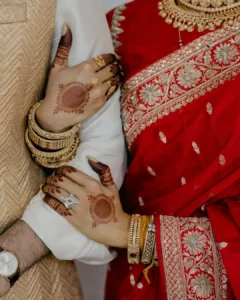
Draped in an understated red saree, walking through the peaceful corridors of the Ling Bhairavi Temple at Isha Yoga Centre, Samantha embodied simplicity. Yet on her hand shone a piece of history — a diamond cut so rare, so ancient, that even seasoned jewellery experts pause before describing it.
What appears at first glance to be a minimalist design is, in fact, one of the most technically challenging pieces of diamond craftsmanship known to the world: the portrait-cut diamond.
A Diamond That Carries Centuries in Its Shine
The portrait cut, as jewellery experts explain, is one of the earliest diamond-cutting styles ever recorded. Before brilliant cuts, before machine-precision diamonds, there were these thin, flat gems polished gently by hand — designed not for sparkle, but for storytelling.
In Mughal-era India, portrait-cut diamonds were used as a protective window over miniature royal paintings. These jewels didn’t just reflect light — they preserved memories. They covered portraits of kings, queens, saints, and lovers. They were symbols of devotion, art, and legacy.
To choose a portrait-cut diamond today is not just to choose a ring.
It is to choose heritage.
And Samantha did exactly that.
Why Samantha’s Portrait-Cut Diamond Is So Rare
Unlike most diamonds, a portrait-cut gem has:
-
A large, clear top surface
-
An extremely thin, flat body
-
Minimal faceting, maximum transparency
This means the rough diamond used must be of exceptional clarity. Even the slightest natural inclusion becomes visible. Only master cutters — and very few workshops in the world — can shape a diamond this way.
For Samantha’s ring to look effortless on her hand, it required extraordinary craftsmanship behind the scenes.
Experts estimate such a ring to hold significant value, not just monetarily but artistically. With its roots in ancient Indian jewellery traditions, the portrait cut combines history, subtlety, and rarity in a way no modern cut can replicate.
Why This Ring Reflects Samantha Perfectly
Samantha has always been known for her individuality — from her public choices to her personal milestones. Her ring mirrors that spirit: fearless, timeless, unique, and deeply symbolic.
A portrait-cut diamond does not shout. It whispers.
It glows with quiet confidence.
It celebrates clarity over sparkle, essence over excess.
And this is why fans describe Samantha’s ring as a perfect extension of her identity — elegant, grounded, and powerful in its simplicity.
A Symbol of a New Chapter
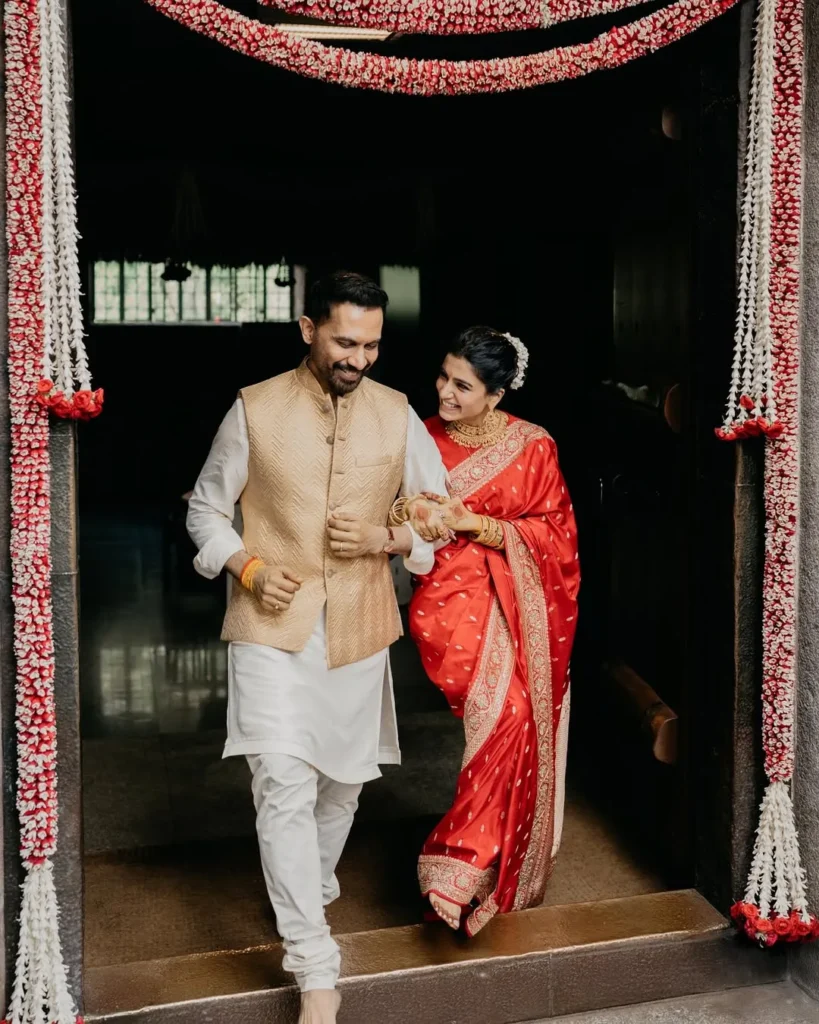
Every wedding has a story. But every ring has a heartbeat.
Samantha’s ring is not a conventional choice — it is a love letter to history, a nod to craftsmanship, and a reflection of a couple choosing meaning over trend.
Just like the architectural wonder of the Taj Mahal was built out of love and remembrance, the portrait cut too carries that emotional legacy. The Mughal emperors treasured it. Royal families preserved it. And today, Samantha wears it as a mark of a fresh beginning.
In an era full of flashy solitaires and oversized celebrity gems, her ring stands apart — poetic, rare, and quietly majestic.