
Gen Z lab-grown diamonds are transforming both bridal and fashion jewellery, according to recent industry data and media reports.. For example, Fortune (Nov 2025) cites a Knot survey reporting “for the first time ever, more than half of couples” now have lab-grown stones in their engagement rings (fortune.com). Lab-grown diamonds typically cost far less per carat, so buyers can get much larger stones for the same budget thezoereport.comfortune.com. The Knot’s editor explains this shift as driven by “budget, perceived value and ethical production practices,” appealing especially to younger buyers fortune.com. Indeed, lab-grown stones are ~30–50% cheaper than natural ones fortune.com, and De Beers recently slashed prices on mined gems by 10–15% in response fortune.com.
As a result, surveyed Gen Z consumers overwhelmingly chose bigger lab-grown diamonds: one study found the “majority of Gen Z respondents preferred a three-carat lab-grown diamond to a one-carat natural mined diamond,” reflecting how Gen Z “is rewriting the rules” of the diamond industry fortune.com. Fortune notes that younger buyers are “challenging traditions” and gravitating toward lab-grown as an affordable luxury ortune.com. In short, recent reports show lab-grown stones now dominate new ring sales, dragging down prices of mined diamonds and forcing traditional suppliers to adapt fortune.comfortune.com.
Gen Z Preferences & Motivations
Lifestyle coverage highlights Gen Z’s specific attitudes. A Zoe Report feature (June 2025) profiles young couples and influencers who openly discuss ring shopping. One social-media savvy bride-to-be noted that on Tik-Tok “size matters a lot more” than provenance – she ditched a $140K natural 4.7‑carat ring in favour of a $20K lab-grown one of the same size thezoereport.com. Her friends echoed this: they wanted “big Barbie-pink” stones and multiple rings to match outfits, options only affordable with lab stones thezoereport.com. As the article summarizes, “everyone I talked to overwhelmingly fell in the lab-grown diamond camp”, a small sample that matches the wider market direction thezoereport.com.
Industry insiders confirm this: Michael Pollak of lab-diamond brand Grown says lab diamonds now account for over 50% of engagement purchases, a “huge disruption” since consumers can buy 3–4 carats for the price of 1 carat mined thezoereport.comthezoereport.com. Designer Jennie Yoon (Kinn) reports that once she began offering lab options, 70% of her customers opted for lab stones thezoereport.com.
A CBS News Boston report (Nov 2025) reinforces these trends. A veteran jeweller notes that roughly “90-plus percent” of her younger clients (Gen Z and Millennials) “know that they want a lab-grown” stone cbsnews.com. These buyers stress ethics (“lab-grown are more ethical, less dangerous”) and price – a 3‑carat lab stone at ~$1,200 instead of $30–50K for natural cbsnews.comcbsnews.com.
CBS adds that lab-grown already captures ~25% of the U.S. engagement-ring market. In short, Gen Z prioritizes value: they want the biggest, flashiest diamond they can afford, and are happy to “bankrupt” stereotypes by choosing a man‑made gem that looks identical to the eye thezoereport.comcbsnews.com. (Anecdotally, one proposer even let his fiancée choose “a lab-grown diamond plus a Rolex” over a traditional diamond alone thezoereport.com.)
Sustainability, Ethics and Industry Response
Sustainability is often cited alongside affordability. Many Gen Z buyers say lab-grown diamonds align with their values: no mining, no “blood diamond” stigma, and a smaller ecological footprint thezoereport.comfortune.com. The Zoe Report notes that “blood diamond” comments on social media encouraged one buyer toward lab stones thezoereport.com. Lab-grown producers highlight clean energy and certifications, and many brands (from Direct-to-Consumer labels like Brilliant Earth and Grwn to legacy retailers) now emphasize traceability and green credentials thezoereport.comthezoereport.com.
However, analysts warn that younger shoppers still put price, convenience and design first vogue.com. Vogue Business (May 2024) explains that luxury consumers (especially Millennial) warm to lab-grown diamonds mainly for lower cost and ethical peace of mind – but notes it’s essential for brands to deliver stylish, innovative designs as well vogue.comvogue.com.
Indeed, one luxury diamond start-up CEO says the future of “ethical luxury” is stones that “tell a story and invite people to wear their values”, indicating Gen Z wants products that are beautiful and meaningful vogue.com. In response to surging demand, major diamond houses have mixed strategies: De Beers shut down its Light box lab-diamond line to focus on natural gems, while other designers incorporate lab stones to capture younger clients thezoereport.comthezoereport.com.
Fashion, Celebrities, and the “Drip” Factor
Lab-grown diamonds aren’t just for engagement rings – they’re fashion statements. Vogue’s 2025 roundup of lab-diamond jewellery notes that celebrities and influencers are “dripping” in man-made sparkle. For example, Vogue reports that Taylor Swift wore lab-grown diamond earrings in her All Too Well film, and models/celebrities like Hailey Bieber, Bella Hadid and Emily Ratajkowski “layer Dorsey’s… lab-grown diamonds with enviable ease.” vogue.com In other words, stars are normalizing lab diamonds as red-carpet and everyday bling. Many new brands (Mejuri, Dorsey, Idyl, etc.) now offer bold statements – oversized chokers, hoops, and multi-layer rings – made with lab-grown gems at a fraction of old-school prices vogue.comvogue.com. These pieces appeal to Gen Z’s desire to stand out and to own luxury on their own terms.
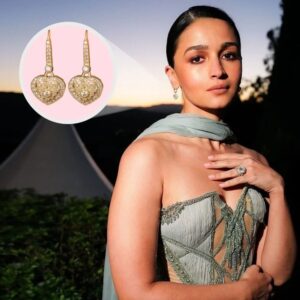
Image: A celebrity at a fashion event wearing sparkling diamond jewellery (earrings and ring), illustrating the kind of glamorous “drip” that man-made diamonds can achieve.
In sum, recent articles across fashion and business media concur: Gen Z is driving a lab-grown diamond revolution. Motivated by affordability and ethical concerns (often linked), young shoppers are pushing jewellers to supply larger, more innovative diamond designs. This is reshaping the industry – from falling prices on mined stones to luxury designers incorporating lab diamonds – and turning high-karat sparkle into an accessible, sustainable trend.
Sources: Industry reports and journalism (Fortune, The Zoe Report, CBS, Vogue, etc.) from 2024–25 fortune.com thezoereport.com thezoereport.com vogue.com, as cited above