
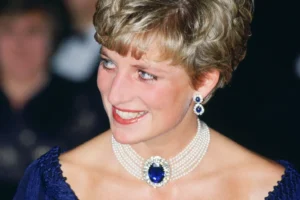
The Princess Diana Pearl Necklace is one of the most recognizable pieces of jewellery in modern history. Known for its elegant arrangement of pearls and a striking sapphire centrepiece, this iconic choker continues to inspire jewellery designers, gemologists, and fashion enthusiasts around the world.
More than just a royal accessory, the necklace serves as an excellent example of how gemstones, pearls, craftsmanship, and design can come together to create a timeless masterpiece. Decades after it first gained international attention, the necklace remains a symbol of sophistication, innovation, and royal elegance.
For students and professionals in the gems and jewellery industry, the Princess Diana Pearl Necklace offers valuable lessons in jewellery design, gemstone selection, and the importance of creating pieces that stand the test of time.
The Story Behind the Princess Diana Pearl Necklace
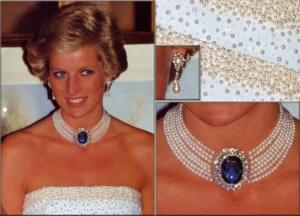
Among the many jewellery pieces associated with Princess Diana, the most famous is the seven-strand pearl choker featuring a stunning sapphire and diamond centrepiece.
The centrepiece originally existed as a sapphire brooch. Later, it was transformed into a choker by combining it with multiple strands of carefully matched pearls. This transformation demonstrated how existing jewellery pieces can be redesigned into entirely new creations without losing their historical significance.
Princess Diana wore the necklace on several important occasions, making it one of the most photographed pieces in royal jewellery history. Its appearances at high-profile events helped elevate its status from a beautiful accessory to a globally recognized symbol of elegance.
Today, the necklace is admired not only for its association with royalty but also for its exceptional design and craftsmanship.
Understanding the Design of the Necklace
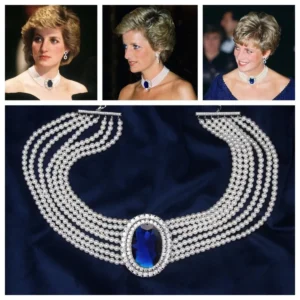
One of the reasons the Princess Diana Pearl Necklace remains iconic is its balanced and sophisticated design.
The choker consists of seven strands of pearls arranged closely together to create a luxurious appearance. At the centre lies a large sapphire surrounded by diamonds, creating a dramatic focal point.
Several design principles contribute to the necklace’s enduring appeal:
Symmetry
The necklace maintains perfect visual balance. The sapphire centrepiece is positioned precisely at the canter, allowing the pearls to frame the gemstone beautifully.
Contrast
The rich blue sapphire contrasts elegantly with the soft white pearls. This colour combination creates visual interest while maintaining sophistication.
Proportion
The size of the sapphire is carefully balanced against the multiple pearl strands. Neither element overwhelms the other, resulting in a harmonious design.
Versatility
Despite being a statement piece, the necklace complements a variety of outfits and occasions, proving the value of adaptable jewellery design.
These principles continue to be relevant for jewellery designers today.
The Importance of Sapphire in Jewellery
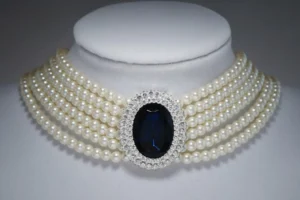
The sapphire at the heart of the Princess Diana Pearl Necklace plays a major role in its popularity and visual impact.
Sapphires belong to the corundum family and are among the most valuable coloured gemstones in the world. Known for their durability and brilliance, sapphires have been treasured for centuries by royalty and collectors.
Gemological Characteristics of Sapphire
- Hardness of 9 on the Mohs scale
- Excellent durability for jewellery
- Rich and vibrant colour
- High resistance to scratches
- Long-lasting brilliance
Blue sapphires, in particular, have historically symbolized wisdom, loyalty, nobility, and integrity. These qualities made sapphire a fitting choice for royal jewellery.
The deep blue hue of the sapphire in Princess Diana’s necklace creates a striking contrast against the pearls, making the gemstone the centrepiece of attention.
Pearl Selection and Matching Techniques
While the sapphire often receives the most attention, the pearls are equally important to the necklace’s overall beauty.
Creating a multi-strand pearl choker requires careful pearl matching. Jewellers must ensure consistency in:
Size
Each pearl should closely match the others to maintain visual harmony.
Shape
Uniform pearl shapes contribute to a refined appearance.
Luster
High-quality pearls are valued for their reflective surface and natural glow.
Colour
The pearls must exhibit a consistent colour tone across all strands.
Surface Quality
Pearls with fewer blemishes create a more luxurious appearance.
Matching pearls for a seven-strand necklace is a complex process that requires expertise and attention to detail. This aspect of the necklace highlights the craftsmanship involved in luxury jewellery creation.
A Masterclass in Jewellery Transformation
One of the most fascinating aspects of the Princess Diana Pearl Necklace is its transformation from a sapphire brooch into a statement choker.
Jewellery redesign is an important concept within the industry. Existing pieces can be reimagined to create modern and unique designs while preserving sentimental or historical value.
This necklace demonstrates several important lessons:
- Creative design thinking
- Preservation of valuable gemstones
- Adaptation of classic jewellery for modern use
- Combining heritage with contemporary aesthetics
For jewellery design students, this serves as an excellent case study in innovation and craftsmanship.
Why the Necklace Became a Global Icon

Many beautiful jewellery pieces exist, but only a few achieve iconic status.
The Princess Diana Pearl Necklace became famous because it combined exceptional design with cultural significance. Princess Diana’s influence on fashion and style brought international attention to the piece.
Several factors contributed to its legendary status:
Royal Association
Jewellery connected to royalty naturally attracts admiration and curiosity.
Distinctive Design
The combination of pearls, diamonds, and sapphire created a memorable and unique appearance.
Frequent Public Appearances
The necklace was worn at several important events, increasing its visibility around the world.
Timeless Appeal
Unlike trend-based jewellery, the design remains elegant and relevant decades later.
As a result, the necklace continues to inspire designers and jewellery enthusiasts across generations.
Lessons for Gems and Jewellery Students
The Princess Diana Pearl Necklace offers valuable insights for students pursuing careers in gemology, jewellery design, and luxury retail.
Key lessons include:
Understanding Material Selection
The successful combination of pearls, diamonds, and sapphire demonstrates the importance of selecting complementary materials.
Appreciating Craftsmanship
Luxury jewellery requires precision, patience, and technical expertise.
Learning Design Principles
Balance, contrast, proportion, and focal points are essential elements of successful jewellery design.
Studying Jewellery History
Historical jewellery pieces provide inspiration and valuable industry knowledge.
Recognizing Market Appeal
The emotional and cultural significance of jewellery can contribute significantly to its value and popularity.
These lessons remain highly relevant for aspiring jewellery professionals.
Conclusion
The Princess Diana Pearl Necklace is far more than a royal accessory. It represents the perfect blend of gemstone beauty, pearl craftsmanship, innovative design, and historical significance.
Its remarkable combination of a vibrant sapphire centrepiece and carefully matched pearl strands has secured its place among the most celebrated jewellery creations in modern history.
For gems and jewellery students, the necklace serves as an inspiring example of how thoughtful design, expert craftsmanship, and quality materials can create a piece that remains admired for generations. By studying iconic jewellery such as the Princess Diana Pearl Necklace, future professionals can gain valuable insights into the art and science of exceptional jewellery design.