
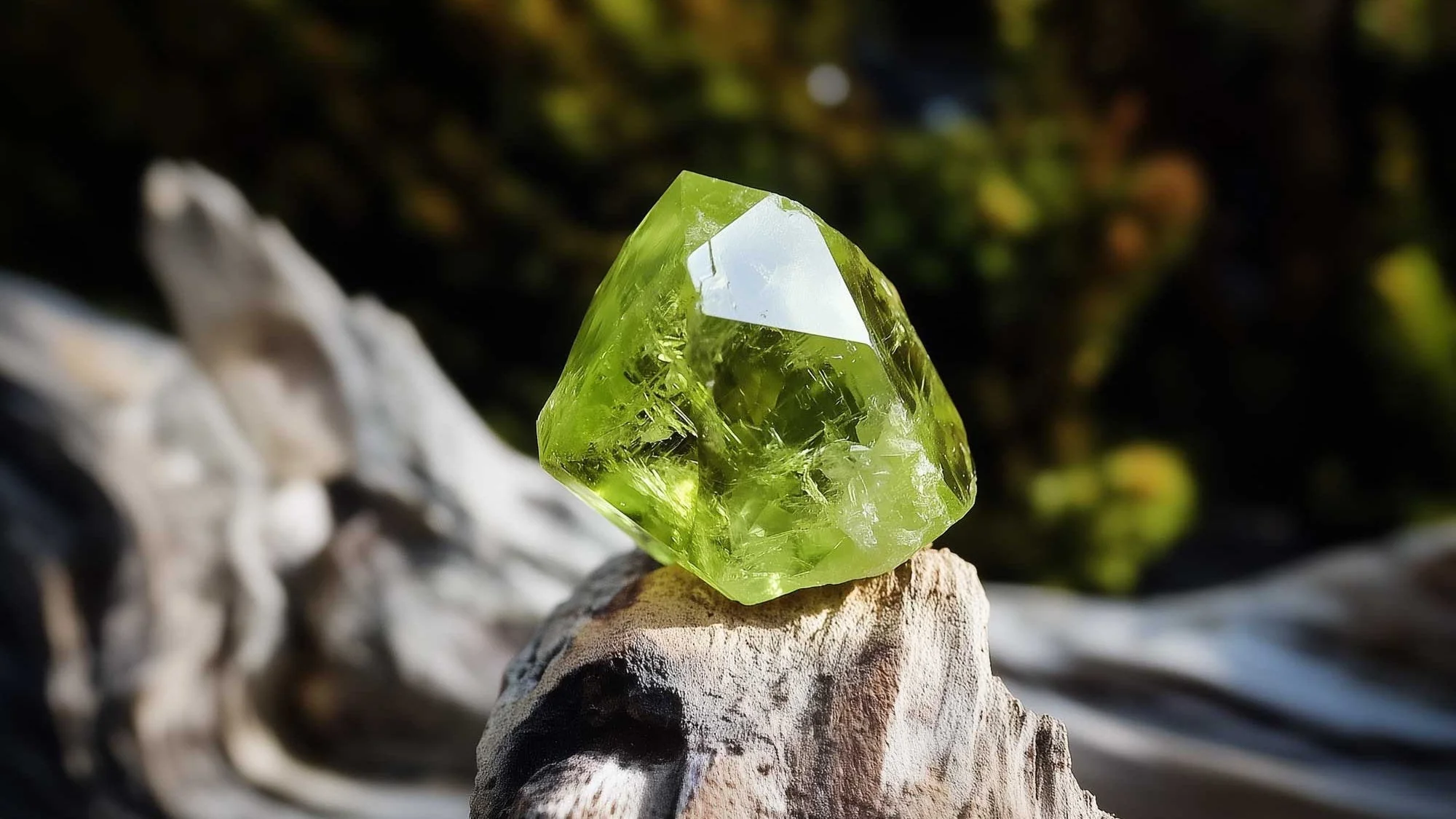
Among the world’s most captivating gemstones, the Peridot gemstone stands out for its vibrant green color, fascinating history, and remarkable natural beauty. Unlike many green gemstones that owe their color to impurities, Peridot is naturally green because of the iron present within its crystal structure. This gives it a fresh, lively appearance that has fascinated civilizations for thousands of years.
Often associated with prosperity, protection, and renewal, Peridot has long been treasured by royalty, collectors, and jewellery enthusiasts alike. Today, it remains a popular choice for fine jewellery, especially among those looking for a gemstone that combines elegance with affordability.
Whether you’re interested in gemstones, planning to purchase Peridot jewellery, or simply curious about this beautiful August birthstone, this guide explores everything you need to know about the Peridot gemstone.
What is a Peridot Gemstone?
Peridot is a gem-quality variety of the mineral olivine, formed deep within the Earth’s mantle and brought closer to the surface through volcanic activity. It is one of the few gemstones that occurs in only one primary color greenalthough the intensity varies depending on the amount of iron present.
The gemstone ranges from light yellowish-green to rich olive green and vibrant lime green. High-quality Peridot displays a vivid green with minimal yellow or brown tones, making it highly desirable in the jewellery industry.
Its refreshing color makes it a favorite for rings, pendants, earrings, bracelets, and luxury designer collections.
The Fascinating History of Peridot
Peridot has an extraordinary history dating back more than 3,500 years.
Ancient Egyptians referred to it as the “Gem of the Sun.” They believed it protected its wearer from nightmares, evil spirits, and negative energy. According to historical records, Peridot was mined on Zabargad Island in the Red Sea, where mining was conducted under strict royal control.
Some historians believe that several famous “emeralds” owned by ancient rulers, including Cleopatra, may actually have been Peridot gemstones due to the similarity in color.
During the Middle Ages, Peridot became popular in European churches and royal jewellery. Many religious artifacts and crowns featured this glowing green gemstone, symbolizing purity and divine protection.
Today, Peridot continues to be admired worldwide for both its historical significance and modern appeal.
How is Peridot Formed?
One of the most fascinating facts about the Peridot gemstone is its origin.
Unlike many gemstones that form within the Earth’s crust, Peridot crystallizes deep inside the Earth’s upper mantle under extreme heat and pressure. Volcanic eruptions eventually carry these crystals to the Earth’s surface.
Even more remarkable is that some Peridot crystals have extraterrestrial origins. Scientists have discovered Peridot within meteorites known as Pallasites, making it one of the few gemstones found both on Earth and in space.
This rare geological origin makes Peridot truly unique among gemstones.
Where is Peridot Found?
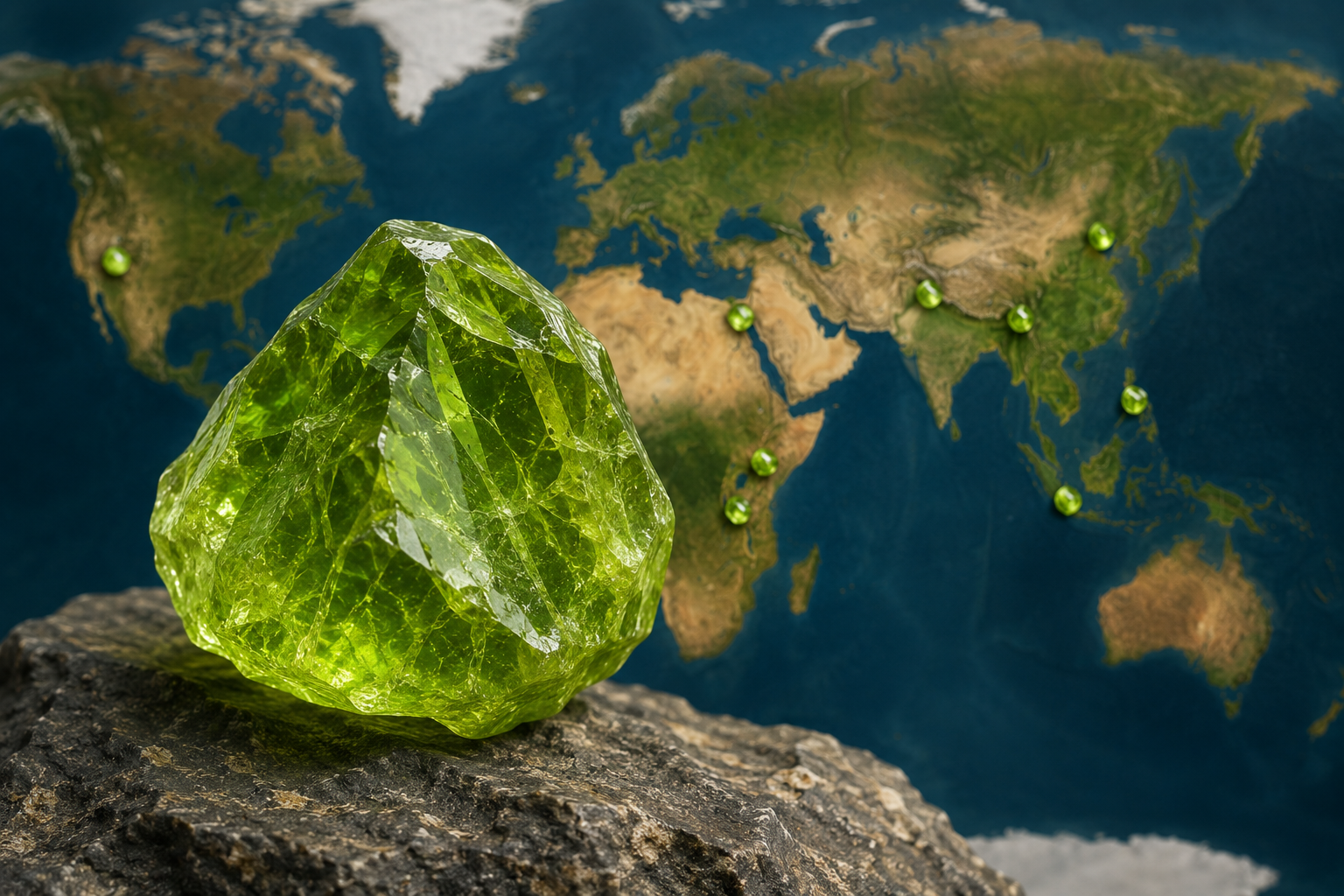
Today, Peridot is mined in several countries across the world.
Major sources include:
- Pakistan
- Myanmar (Burma)
- China
- Vietnam
- United States (Arizona)
- Egypt
- Tanzania
- Ethiopia
Pakistan’s Kashmir region is particularly famous for producing exceptionally vivid green Peridot crystals that are highly prized in international markets.
Colour and Appearance of Peridot
The defining characteristic of the Peridot gemstone is its beautiful green colour.
Its shades include:
- Lime Green
- Olive Green
- Yellow-Green
- Golden Green
- Deep Forest Green
Unlike emeralds, Peridot usually has excellent clarity and fewer visible inclusions. High-quality stones possess outstanding transparency and brilliance.
Because Peridot has a relatively high refractive index, it reflects light beautifully, giving jewellery a lively sparkle.
Physical Properties of Peridot
| Property | Details |
|---|---|
| Mineral | Olivine |
| Color | Green |
| Hardness | 6.5–7 (Mohs Scale) |
| Crystal System | Orthorhombic |
| Transparency | Transparent |
| Luster | Vitreous |
| Refractive Index | 1.65–1.69 |
Although durable enough for everyday jewellery, Peridot requires proper care because it is softer than diamonds, sapphires, and rubies.
Peridot as the August Birthstone
Peridot is the official birthstone for August.
People born in August often wear Peridot to symbolize:
- Happiness
- Success
- Good fortune
- Peace
- Strength
- Positive energy
Its bright green color perfectly represents growth, vitality, and new beginnings, making it a meaningful gift for birthdays and anniversaries.
Symbolism and Meaning of Peridot
For centuries, the Peridot gemstone has symbolized:
Prosperity
Many cultures believe Peridot attracts abundance and financial success.
Protection
Ancient civilizations wore Peridot as a talisman against negative energy and evil spirits.
Renewal
Its fresh green color symbolizes nature, healing, and personal growth.
Harmony
Peridot is often associated with emotional balance, inner peace, and stronger relationships.
Popular Peridot Jewellery
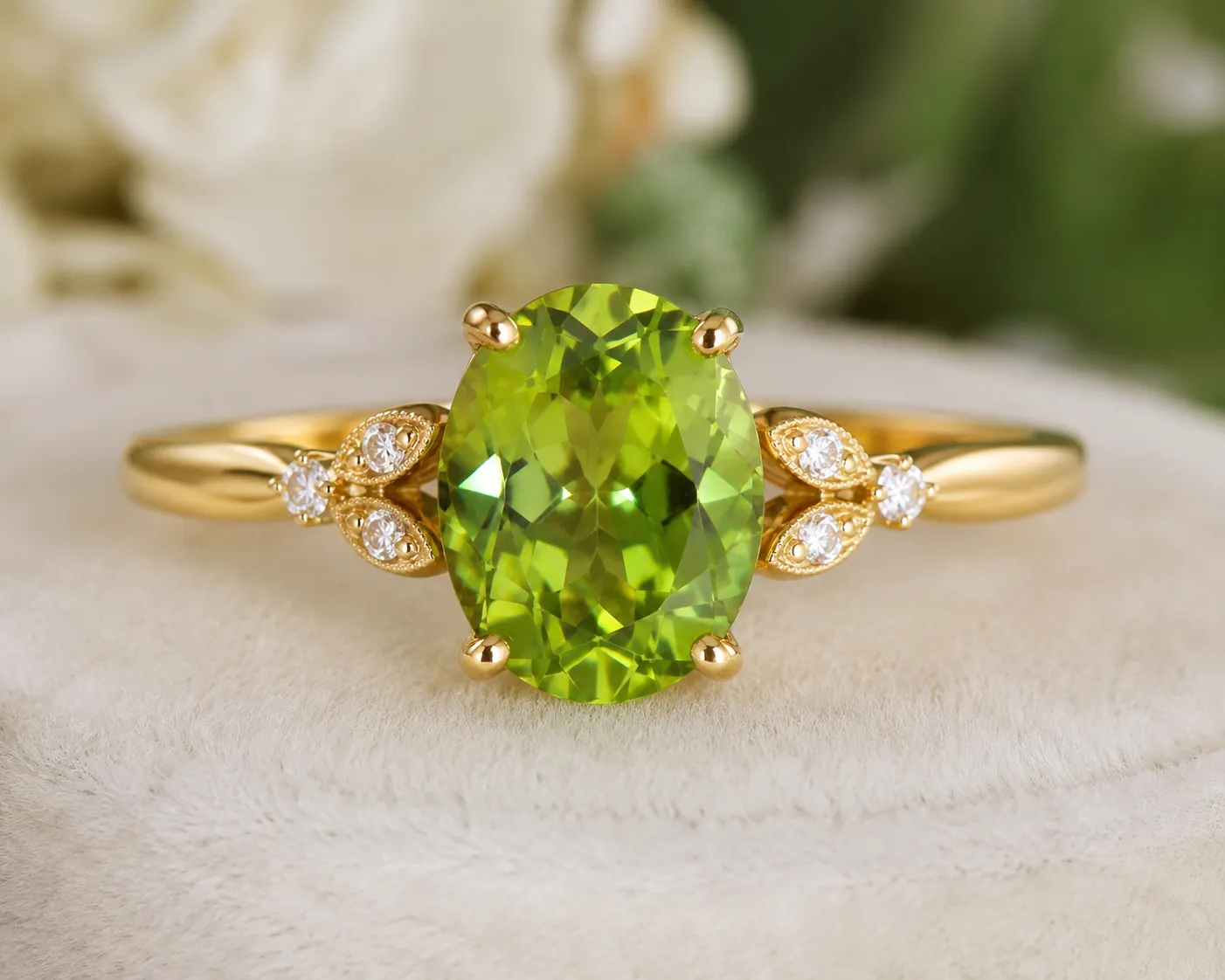
Peridot’s versatility makes it ideal for a wide range of jewellery designs.
Popular options include:
Peridot Rings
Elegant and colorful, perfect for daily wear or statement pieces.
Peridot Pendants
A timeless way to showcase the gemstone’s natural brilliance.
Peridot Earrings
Bright green stones add freshness and sophistication to any outfit.
Peridot Bracelets
Stylish and suitable for both casual and formal occasions.
Peridot Necklaces
Luxury designers frequently pair Peridot with diamonds, white gold, yellow gold, and platinum.
How to Choose a Quality Peridot Gemstone
When purchasing a Peridot gemstone, consider the following factors.
Color
The most valuable Peridot displays a rich, vivid green with minimal yellow or brown.
Clarity
Look for eye-clean stones with few visible inclusions.
Cut
Well-cut Peridot maximizes brilliance and enhances color.
Popular cuts include:
- Oval
- Cushion
- Emerald
- Pear
- Round
- Princess
Carat Weight
Larger Peridot gemstones above five carats are relatively rare and command higher prices.
Is Peridot Expensive?
Compared to gemstones like emeralds, rubies, and sapphires, Peridot is generally more affordable.
Prices depend on:
- Color quality
- Clarity
- Size
- Origin
- Cut
Fine-quality Peridot from Pakistan or Myanmar often commands premium prices due to its exceptional color and rarity.
Caring for Your Peridot Jewellery
To maintain the beauty of your Peridot gemstone, follow these care tips:
- Clean with warm water and mild soap.
- Use a soft cloth or brush.
- Avoid harsh chemicals and ultrasonic cleaners.
- Store separately to prevent scratches.
- Remove Peridot jewellery before sports or heavy work.
Proper care helps preserve its brilliance for generations.
Interesting Facts About Peridot
- Peridot is one of the oldest known gemstones used in jewellery.
- Ancient Egyptians called it the “Gem of the Sun.”
- It is one of the few gemstones found in meteorites.
- Its green color is always natural and never changes to another hue.
- Peridot has been used in royal crowns and religious artifacts for centuries.
- Some Peridot crystals are over 50 million years old.
- It is one of the few gemstones formed deep within the Earth’s mantle.
Why Peridot is Gaining Popularity
Modern jewellery designers increasingly choose Peridot because of its vibrant color, affordability, and sustainability. Consumers today are looking for gemstones that offer individuality, and Peridot provides a distinctive alternative to more traditional green gems like emeralds.
Its versatility allows it to pair beautifully with yellow gold, white gold, rose gold, and platinum, making it suitable for both classic and contemporary jewellery styles.
As demand for colorful gemstones continues to rise, Peridot has become a favorite among collectors, fashion enthusiasts, and jewellery lovers worldwide.
Learn More About Gemstones with the Institute of Gems & Jewellery (IGJ)
Understanding gemstones like Peridot requires expert knowledge of gemology, grading, identification, and jewellery craftsmanship. At the Institute of Gems & Jewellery (IGJ), students gain hands-on training in gemstone identification, jewellery design, diamond grading, and manufacturing techniques.
Whether you’re pursuing a professional career in the gem and jewellery industry or simply passionate about precious stones, learning from industry experts can deepen your appreciation of remarkable gems like Peridot.
Conclusion
The Peridot gemstone is far more than a beautiful green stone. With its ancient history, unique geological origin, vibrant color, and timeless symbolism, it has earned its place among the world’s most cherished gemstones.
From its formation deep within the Earth’s mantle to its use in royal jewellery and modern luxury designs, Peridot continues to captivate collectors and jewellery lovers alike. Whether you’re buying your first Peridot ring, celebrating an August birthday, or expanding your gemstone knowledge, Peridot offers an exceptional blend of beauty, history, and value.
Its enduring charm, affordability, and radiant green glow ensure that the Peridot gemstone will remain a treasured choice for generations to come.
FAQs
1. What is the Peridot gemstone known for?
Peridot is known for its vibrant green color, natural brilliance, and association with prosperity, protection, and renewal.
2. Is Peridot an expensive gemstone?
Peridot is generally more affordable than emeralds, rubies, and sapphires, though exceptional stones with vivid color and larger sizes can command premium prices.
3. Which month is associated with Peridot?
Peridot is the official birthstone for August.
4. Where is the best Peridot found?
Some of the finest Peridot comes from Pakistan, Myanmar, Egypt, and Arizona in the United States.
5. Can Peridot be worn every day?
Yes, but because it has a Mohs hardness of 6.5–7, it should be worn with care and protected from hard impacts and scratches.