
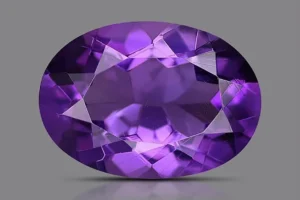
February holds a special place in the global gems and jewellery industry, not only as the month of love and celebration but also as the period associated with one of the most elegant and historically significant gemstones Amethyst. As the birthstone of February, amethyst represents wisdom, balance, and royalty, making it a gemstone of both emotional and commercial value.
From an industry perspective, February is a strategic month for jewellery brands and gemstone traders. Valentine’s Day, wedding season preparations, and rising consumer interest in personalized birthstone jewellery make this month highly relevant for sales, design innovation, and gemstone promotion. Retailers often curate special collections around February themes, leveraging the allure of amethyst to attract both domestic and international buyers.
Amethyst belongs to the quartz family and is admired for its striking purple hues, ranging from soft lavender to deep royal violet. Historically, it was considered as valuable as diamonds, rubies, and sapphires until large deposits were discovered in Brazil and later in Africa. Today, while more accessible, high-quality amethyst with deep saturation and excellent clarity remains highly prized in fine jewellery.
The gemstone has deep roots in royal and religious jewellery. Ancient Greeks believed amethyst could prevent intoxication, while European royalty wore it as a symbol of power and intellect. Even today, amethyst is widely used in luxury rings, pendants, earrings, and statement necklaces, appealing to both traditional and contemporary markets.
In the modern jewellery industry, amethyst plays a vital role in bridging affordability with luxury. It is a preferred gemstone for designers experimenting with bold colours, large cuts, and innovative settings. From handcrafted artisanal jewellery to mass-market collections, amethyst allows jewellers to maintain visual richness without significantly increasing production costs.
February also aligns with gemstone education and awareness initiatives. Institutes, gemmology schools, and jewellery academies often highlight amethyst during this month to teach students about colour grading, quartz varieties, heat treatment, and ethical sourcing. This educational focus strengthens industry knowledge while promoting responsible gemstone practices.
From a global trade perspective, major amethyst sources include Brazil, Uruguay, Zambia, and Madagascar. The gemstone’s steady demand ensures consistent trade flows, making it an important contributor to the coloured gemstone market. With the growing popularity of sustainable and ethically sourced gemstones, responsibly mined amethyst has gained further relevance in international jewellery markets.
Digital platforms and social media campaigns in February heavily feature amethyst-themed jewellery. Instagram, in particular, has become a powerful tool for showcasing birthstone collections, storytelling, and gemstone education, allowing brands to connect emotionally with consumers while driving sales.
In conclusion, February is not just a calendar month it is a commercial and cultural opportunity for the gems and jewellery industry. Amethyst, with its rich history, design versatility, and strong consumer appeal, continues to shine as a gemstone that perfectly blends tradition, beauty, and business potential.