
Chains are an essential part of jewellery design, offering endless possibilities in style, texture and appearance. From simple everyday designs to more distinctive patterns, different chain styles can create a unique look for every wearer.
Here are five interesting chain designs that showcase the variety and creativity found in jewellery making.
1. Pearl Chain: From Pearl to Jewellery
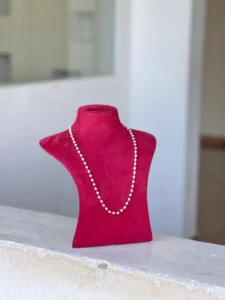
Pearls are one of the most admired gemstones in the jewellery world, valued for their natural lustre, smooth surface, and elegant appearance. Unlike most gemstones, pearls are formed inside living oysters and other molluscs. When an irritant enters the shell, the mollusc gradually covers it with layers of nacre, which eventually develops into a pearl.
Where Do Pearls Come From?
Most pearls used in jewellery today are cultured pearls. They are produced in specially managed pearl farms, where the pearl-forming process is carefully initiated and nurtured over time. The conditions in which pearls grow can influence their size, shape, colour, and lustre.
Some of the commonly known pearl varieties include:
- Freshwater Pearls
- Akoya Pearls
- South Sea Pearls
- Tahitian Pearls
Each variety has its own characteristics and is used for different jewellery designs.
How Is a Pearl Chain Made?
Once the pearls are harvested, they are cleaned, sorted, and carefully inspected. Pearls are selected based on their size, shape, colour, surface quality, and lustre. Similar pearls are then matched and arranged to create a balanced and attractive chain.
The selected pearls are drilled and threaded according to the required design. Depending on the jewellery style, knots, clasps, gold elements, or other precious-metal components may be added to complete the chain.
The Beauty Behind a Pearl Chain
A pearl chain is the result of both nature and craftsmanship. The journey begins with the formation of a pearl inside a mollusc and continues through careful selection, matching, designing, and jewellery making. This combination gives every pearl chain its distinctive character and timeless appeal.
2. Damascus Chain: Craftsmanship and Design
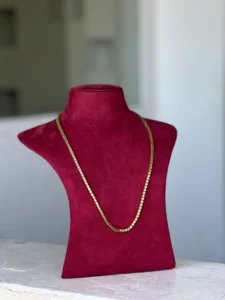
A Damascus chain is a distinctive jewellery design known for its intricate pattern, detailed workmanship, and unique surface appearance. The name is associated with a style of metalwork that creates visually rich patterns through the careful combination and working of metals.
What Makes a Damascus Chain Different?
The characteristic appearance of Damascus-style jewellery comes from the way different metal layers or elements are worked together. Through processes such as shaping, twisting, layering, and finishing, artisans create patterns that give the chain its distinctive texture and visual depth.
The final appearance can vary depending on the metals used, the construction technique, and the finishing process. Some designs feature bold patterns, while others have a more subtle and refined appearance.
How Is a Damascus Chain Made?
The making of a Damascus chain requires precision and skilled craftsmanship. The metal components are carefully prepared and shaped before being assembled into the required chain pattern. Each section is formed and connected to create a strong yet visually detailed piece.
Important factors in the process include:
- Metal selection and preparation
- Layering and shaping techniques
- Pattern formation
- Link or component assembly
- Polishing and final finishing
Damascus Chain Designs
Damascus chains can be created in different patterns and finishes to suit various jewellery styles. They can be designed as statement pieces or incorporated into more contemporary jewellery, depending on the construction and overall design.
The combination of detailed craftsmanship, distinctive patterns, and metalwork techniques gives Damascus chains their unique character, making them an interesting choice for jewellery enthusiasts looking for something different from conventional chain designs.
3. Sachin Chain
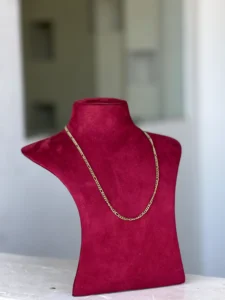
A Sachin Chain is a popular jewellery chain style known for its distinctive link pattern, neat structure, and attractive finish. It is designed by connecting carefully shaped gold links to create a continuous chain that combines visual appeal with durability.
What Makes a Sachin Chain Special?
The design of a Sachin Chain focuses on the arrangement and finishing of its individual links. The links are crafted and connected with precision to create a smooth, well-balanced appearance. Depending on the design, the chain can have a simple and elegant look or a more detailed pattern.
How Is a Sachin Chain Made?
The making of a Sachin Chain involves several stages of jewellery craftsmanship. Gold is first prepared and formed into the required components. These components are then shaped, assembled, and carefully joined to create the chain.
Some important stages include:
- Gold preparation and shaping
- Formation of individual links
- Precise link assembly
- Soldering and strengthening
- Polishing and finishing
The quality and appearance of the finished chain depend on the precision of the links, the craftsmanship, and the final finishing process.
Sachin Chain Designs
Sachin Chains are available in different patterns, weights, and finishes. They can be styled as everyday jewellery or selected as a more noticeable piece for special occasions. The design can also be paired with pendants or other jewellery pieces depending on personal preference.
A Sachin Chain reflects the combination of traditional jewellery craftsmanship and detailed chain-making techniques, making it a distinctive addition to a jewellery collection.
4. Urvashi Chain
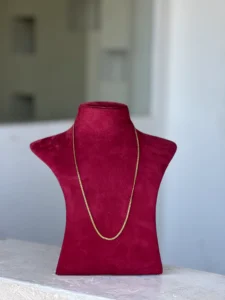
An Urvashi Chain is a traditional-style jewellery chain known for its graceful pattern, detailed links, and elegant appearance. Its design combines carefully crafted gold elements to create a chain that looks delicate while maintaining a well-structured form.
What Makes an Urvashi Chain Unique?
The beauty of an Urvashi Chain comes from the arrangement of its individual links and decorative elements. The repeated pattern creates a balanced and flowing appearance, making it suitable for both traditional and contemporary jewellery styling.
The overall look can vary depending on the gold weight, link design, size, and finishing used in the chain.
How Is an Urvashi Chain Made?
Creating an Urvashi Chain involves several stages of detailed jewellery craftsmanship. Gold is prepared and shaped into the required components, which are then assembled carefully to form the characteristic chain pattern.
Key stages may include:
- Gold preparation and shaping
- Formation of individual chain elements
- Linking and assembly
- Soldering and strengthening
- Polishing and final finishing
Urvashi Chain Designs
Urvashi Chains can be made in different lengths, weights, and patterns to suit different preferences. They can be worn on their own for a simple traditional look or combined with pendants and other jewellery pieces.
With its graceful design, detailed craftsmanship, and timeless appeal, the Urvashi Chain remains an attractive choice for those who appreciate traditional-inspired gold jewellery.
5. Box Ball Chain
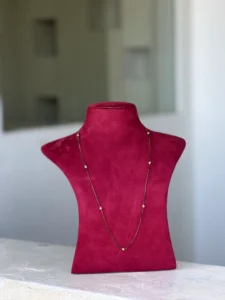
A Box Ball Chain is a distinctive chain design that combines box-shaped links with small spherical elements to create a unique pattern. Its appearance depends on the arrangement, size, and finishing of these components. This style can be used in jewellery designs that require a combination of geometric structure and decorative detailing.
How Is a Box Ball Chain Made?
The manufacturing process involves preparing the individual metal components and assembling them into a continuous chain. Depending on the specific design, the process may include:
- Metal preparation: Gold or another selected metal is prepared for chain making.
- Link formation: Box-shaped links and spherical elements are created.
- Assembly: The components are carefully connected to form the chain pattern.
- Finishing: The chain is polished and inspected for appearance and quality.
Box Ball Chain Designs
Box Ball Chains can vary in link size, ball arrangement, metal weight, and surface finish. These variations influence the chain’s overall appearance, flexibility, and suitability for different jewellery designs.
The combination of geometric links and rounded elements gives the Box Ball Chain a distinctive look, reflecting the precision and craftsmanship involved in jewellery making.
Explore the Art of Chain Design
Every chain design has its own visual identity. Understanding different chain patterns is an important part of learning jewellery design, as even a simple chain can influence the overall appearance of a jewellery piece.
At Institute of Gems & Jewellery (IGJ), students explore different aspects of jewellery design and gain practical exposure to the creative process behind jewellery making.
Whether you are interested in traditional patterns or contemporary jewellery designs, learning about different chain styles can be a valuable step towards understanding the world of jewellery design.
FAQ
1. What is a Pearl Chain?
A Pearl Chain is a jewellery chain featuring pearls arranged in a continuous design. Pearls are available in varieties such as Freshwater, Akoya, South Sea, and Tahitian, with differences in size, colour, shape, surface quality, and lustre.
2. How is a Pearl Chain made?
Pearls are carefully selected and matched based on their size, shape, colour, and quality. They are then drilled, threaded, and assembled according to the desired chain design. Clasps and gold elements may also be added.
3. What is a Damascus Chain?
A Damascus Chain is a distinctive chain style known for its detailed metalwork and characteristic patterns. Its appearance is created through carefully crafted metal components and specialised shaping, layering, or pattern-forming techniques.
4. What is a Sachin Chain?
A Sachin Chain is a jewellery chain style featuring carefully shaped and connected links. Its appearance can vary according to the link pattern, gold weight, size, and finishing technique.
5. What is an Urvashi Chain?
An Urvashi Chain is a traditional-style jewellery chain known for its graceful arrangement of links and decorative elements. It can be made in different patterns, lengths, and weights depending on the design.
6. What is a Box Ball Chain?
A Box Ball Chain combines box-shaped links with spherical elements to create a distinctive geometric pattern. The size and arrangement of these components can vary according to the design.
7. What factors affect the appearance of these chains?
The overall appearance of a chain depends on factors such as gold purity, weight, link size, pattern, craftsmanship, surface finishing, and design. In pearl chains, the type and quality of the pearls also play an important role.
8. Are these chain designs available in different patterns?
Yes. Chain designs can vary in length, weight, link structure, pattern, and finishing. Jewellery manufacturers may also develop variations of traditional chain styles to suit changing design preferences.
9. What makes each chain design different?
Each chain has its own link structure, pattern, construction technique, and finishing style. These differences give each design its distinctive appearance and character.
10. How should gold chains be selected?
When selecting a gold chain, consider the gold purity, weight, craftsmanship, design, durability, and intended use. The choice can depend on whether the chain is intended for everyday wear, traditional occasions, or special events.