
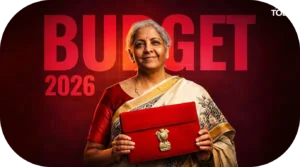
By [News Desk], New Delhi, Feb 3, 2026 – Finance Minister Nirmala Sitharaman’s financial plan for 2026–27 largely kept tax arrangements the same for the precious stones and craft sector while introducing trade-easing steps to spur expansion. Major export-related announcements featured removing the ₹10 lakh ceiling on package exports for crafted items and prolonging favourable customs-charge systems for imported raw gold/silver and lab-created diamond materials.
These adjustments aim to permit smaller exporters freer shipping and back local sourcing and added value. For instance, the budget extended duty-free bringing in of lab-grown diamond “starter” materials and cut stones until March 2028, ensuring affordable inputs for a rapidly expanding area.
The Financial Plan also put forward several Special Economic Zone (SEZ) modifications. Notably, SEZ facilities will receive a one-time option to send a limited volume of goods to the Domestic Tariff Area (DTA) under reduced charges. Trade observers indicated this will enhance the use of available capacity in export production units.
As Colin Shah of Kama Jewellery noted, the SEZ change “will assist in boosting capacity utilisation” and aligns with the government’s goal for India to be a prime global diamond center. Furthermore, a ₹10,000 crore fund for SMEs and other credit-assistance measures are intended to ease financing for smaller jewellers, although specific funding amounts for the sector are unclear.
Regarding taxation, the Budget held customs duties on valuable metals and gems steady. Bringing in gold (all formats) continues to incur a 6% charge (5% base levy plus 1% agricultural cess), and silver at 6% for eligible residents, as previously. Cut and shaped diamonds maintain a 5% import levy, and no new tariffs were applied to platinum or colored gemstones.
Importantly, the Finance Minister made no changes to GST rates on crafted items – the existing 3% rate on finished goods or their components remained untouched. Sector leaders welcomed this tax predictability. “The lack of any increase in customs duty or GST… breeds confidence in the trade,” stated Rajesh Rokde of the All India Gem & Jewellery Domestic Council. Likewise, Shah remarked that holding gold and silver duties steady “offers the sector crucial consistency” following recent price volatility.
Industry responses were generally favourable. GJEPC Chairman Kirit Bhansali commented that the Budget “tackles major obstacles and injects new energy into India’s precious stones and craft sector,” particularly welcoming the extended duty-free import of diamond starters and cut stones as a “well-timed and sensible move” for the rapidly increasing lab-grown segment.
He also commended the new customs streamlining efforts (like electronic appraisals and risk-based inspections) and the removal of the courier limit for improving international sales competitiveness. Chetan Thadeshwar of Shringar House added that the focus on broad economic balance will stimulate buyer interest: “As financial stability bolsters household confidence… discretionary spending on jewellery is expected to pick up,” he remarked.
In summary, experts believe the Budget’s mix of stable policy and targeted changes should help India’s gem and craft trade manage global challenges. By avoiding rate hikes and simplifying trade via measures like electronic seals, streamlined customs, and SEZ benefits, the administration has shown support for sustained expansion in the sector. As Rokde suggested, the combination of unchanging tax rules and simplified trade processes “reaffirms [the] government’s acknowledgment of our sector as a major contributor to… exports and economic expansion”.