
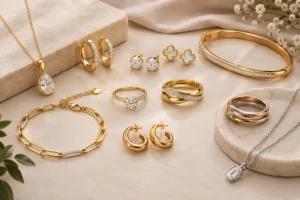
Jewellery is designed to add beauty, style, and personality to an outfit. But with regular use, some jewellery can gradually lose its shine, become dull, or develop dark or discoloured areas. This is where anti-tarnish jewellery has become an increasingly popular choice for everyday wear.
Anti-tarnish jewellery is designed to resist the effects of moisture, air, sweat, and other everyday factors that can cause certain metals and finishes to discolour. It can be especially useful for people who want jewellery that maintains its appearance with regular use and proper care.
But what exactly does anti-tarnish mean? How does anti-tarnish jewellery work? What materials are commonly used, and how can you take care of it?
This guide explains everything you need to know about anti-tarnish jewellery.
What Is Anti-Tarnish Jewellery?
Anti-tarnish jewellery refers to jewellery that is designed or finished to slow down tarnishing and discolouration.
Tarnishing is a surface reaction that can occur when certain metals interact with environmental elements such as moisture, oxygen, sulphur compounds, sweat, and chemicals. Depending on the metal and finish, jewellery may become darker, duller, or develop changes in colour over time.
Anti-tarnish construction helps create a barrier or uses materials that are more resistant to these reactions.
However, an important point is often misunderstood:
Anti-tarnish does not mean completely tarnish-proof.
The performance of jewellery depends on its metal, plating or coating, manufacturing quality, frequency of use, storage conditions, and exposure to chemicals and moisture.
Why Does Jewellery Tarnish?
Different metals react differently with their surroundings.
Jewellery may be exposed to:
- Sweat and skin oils
- Humidity and moisture
- Perfume and cosmetics
- Lotions and creams
- Cleaning chemicals
- Chlorine and other chemicals
- Air pollution
- Friction from regular wear
Over time, these factors can affect the surface of jewellery.
Silver, for example, can develop a dark surface layer as it reacts with sulphur-containing compounds. Copper and copper-containing alloys can also undergo surface changes when exposed to moisture and other substances.
This is why jewellery care is important even when a piece is marketed as anti-tarnish.
How Does Anti-Tarnish Jewellery Work?
There is no single material or manufacturing method that defines all anti-tarnish jewellery.
Depending on the product, tarnish resistance may come from the choice of base metal, a plating layer, a protective coating, or a combination of these.
1. Tarnish-Resistant Base Materials
Some jewellery is made using metals that are relatively resistant to corrosion and surface discolouration.
Stainless steel is one example commonly used in fashion and everyday jewellery. Its properties can make it suitable for pieces designed for regular use.
The choice of base material can have a significant effect on how jewellery behaves over time.
2. Protective Plating
A jewellery piece may have a layer of another metal applied to its surface.
Gold plating and rhodium plating are examples of finishes used in jewellery. The plating can change the appearance of the piece while also providing a protective surface.
However, plating can wear over time, particularly at areas exposed to frequent friction.
3. Protective Coatings
Some jewellery may have an additional protective finish designed to create a barrier between the jewellery surface and external factors.
The purpose is to reduce direct exposure to moisture, air, sweat, and other substances that can contribute to surface changes.
The quality and durability of the coating are important factors when evaluating the overall performance of the jewellery.
Is Anti-Tarnish Jewellery Real Gold?
This is one of the most common questions about anti-tarnish jewellery.
Anti-tarnish and gold are not the same thing.
The term “anti-tarnish” describes resistance to tarnishing or discolouration. It does not automatically indicate that a piece is made of solid gold.
A jewellery piece can be anti-tarnish because of its base material, plating, coating, or combination of finishes.
Therefore, when buying jewellery, it is important to check the actual material and specifications rather than assuming that the term “anti-tarnish” means gold or another precious metal.
Anti-Tarnish Jewellery vs Gold Jewellery
Gold is naturally resistant to tarnishing, but jewellery is rarely made entirely from pure gold because pure gold is very soft for many everyday applications.
Gold jewellery is generally made using gold alloys, where other metals are added to achieve the required hardness, colour, and performance.
Anti-tarnish jewellery, on the other hand, can refer to a much broader category of jewellery designed or finished to resist discolouration.
Therefore, these terms should not be used interchangeably.
Benefits of Anti-Tarnish Jewellery
Anti-tarnish jewellery can offer several practical benefits for everyday users.
1. Longer-Lasting Appearance
The main advantage is improved resistance to dullness and discolouration when compared with jewellery that has no tarnish-resistant treatment.
2. Suitable for Regular Wear
People who wear jewellery frequently may prefer pieces designed to better handle everyday exposure to sweat, moisture, and environmental conditions.
3. Lower Maintenance
Tarnish-resistant finishes can reduce the frequency with which jewellery needs cleaning or polishing.
However, proper care is still important.
4. More Practical for Everyday Styling
Anti-tarnish jewellery can be suitable for people who want accessories that can be worn regularly with different outfits without requiring constant maintenance.
5. Variety of Designs
Anti-tarnish finishes can be used across different jewellery categories, including:
- Earrings
- Necklaces
- Rings
- Bracelets
- Chains
- Bangles
- Pendants
This makes tarnish-resistant jewellery relevant for both everyday fashion and occasion-based styling.
Popular Types of Anti-Tarnish Jewellery
Anti-tarnish jewellery is available in many designs and finishes.
Anti-Tarnish Earrings
Earrings are among the most popular everyday jewellery pieces. Hoops, studs, huggies, drops, and contemporary designs can be made with tarnish-resistant finishes.
Anti-Tarnish Necklaces
From delicate chains to statement necklaces, anti-tarnish finishes can help maintain the appearance of frequently worn neck jewellery.
Anti-Tarnish Rings
Rings experience considerable friction because they come into contact with hands, surfaces, water, and other objects. Proper material selection and finishing are therefore particularly important.
Anti-Tarnish Bracelets
Bracelets are frequently exposed to sweat, moisture, and friction. Tarnish-resistant construction can help maintain their finish with appropriate care.
Anti-Tarnish Bangles
Modern fashion bangles and everyday designs can also use finishes intended to improve resistance to surface discolouration.
How to Choose Anti-Tarnish Jewellery
The label alone should not be the only factor you consider when purchasing jewellery.
Check the Base Material
Find out what the jewellery is actually made from.
Is it stainless steel, silver, brass, copper, or another alloy?
Understanding the base material gives you a better idea of how the piece may perform.
Understand the Finish
If the jewellery is plated or coated, check what type of finish has been used.
The durability of a jewellery finish depends on factors such as thickness, application quality, wear, and exposure.
Check Product Information
Reliable jewellery sellers should provide clear information about the material, finish, care instructions, and other relevant specifications.
Consider Your Lifestyle
If you wear jewellery every day, work in a humid environment, exercise frequently, or regularly come into contact with water and chemicals, your jewellery may require more careful maintenance.
Choose materials and finishes according to how you plan to use the piece.
How to Care for Anti-Tarnish Jewellery
Even the best anti-tarnish jewellery benefits from proper care.
Keep Jewellery Dry
Avoid unnecessary exposure to water and moisture. Remove jewellery before swimming, bathing, or participating in activities that cause heavy sweating.
Apply Perfume Before Wearing Jewellery
Perfume, lotions, creams, and cosmetics can affect jewellery finishes.
A simple habit is to apply these products first and allow them to dry before putting on jewellery.
Wipe After Wearing
After removing your jewellery, gently wipe it with a soft, dry cloth to remove sweat, oils, and surface residue.
Store Pieces Separately
Store jewellery in a clean, dry place. Keeping individual pieces in separate pouches or compartments can reduce scratches and friction.
Avoid Harsh Chemicals
Household cleaning chemicals, chlorine, and other strong substances can affect certain jewellery materials and finishes.
Remove jewellery before using such products.
Can Anti-Tarnish Jewellery Tarnish?
Yes.
The term anti-tarnish means that jewellery is designed to resist or slow down tarnishing, not that it can never change under any circumstances.
The longevity of the finish can depend on:
- Base metal
- Plating or coating
- Manufacturing quality
- Frequency of wear
- Exposure to water
- Exposure to chemicals
- Sweat and skin oils
- Storage conditions
- Cleaning methods
With proper care, jewellery can maintain its appearance for longer.
Common Mistakes That Can Damage Jewellery
Even high-quality jewellery can be affected by incorrect care.
Avoid:
- Wearing jewellery while swimming
- Wearing jewellery in the shower
- Applying perfume directly onto jewellery
- Using abrasive cleaning materials
- Storing wet jewellery
- Keeping multiple pieces tangled together
- Using strong household cleaners
- Scrubbing delicate finishes aggressively
Different gemstones and jewellery materials can have different care requirements, so a cleaning method that works for one piece may not be suitable for another.
Is Anti-Tarnish Jewellery Good for Daily Wear?
For people looking for practical everyday accessories, anti-tarnish jewellery can be a useful option.
It is particularly appealing to consumers who want jewellery that combines modern styling with easier maintenance.
However, “daily wear” should not be interpreted as “no care required.”
Regular cleaning, careful storage, and avoiding unnecessary exposure to water and chemicals can help preserve the jewellery’s appearance.
The Importance of Jewellery Knowledge
Understanding terms such as anti-tarnish, gold plated, sterling silver, hallmarking, karat, gemstone treatments, and jewellery finishes can help consumers make better-informed choices.
For jewellery professionals, this knowledge is equally important.
A modern jewellery professional should understand not only design and aesthetics but also:
- Jewellery materials
- Precious metals
- Gemstones
- Jewellery manufacturing
- Surface finishes
- Jewellery care
- Customer requirements
- Product specifications
This combination of technical and practical knowledge is increasingly valuable across the jewellery industry.
Anti-Tarnish Jewellery: The Key Takeaway
Anti-tarnish jewellery is designed or finished to resist the surface discolouration and dullness that can occur with certain metals and finishes.
It can be a practical choice for everyday jewellery, but the term should not be confused with solid gold, hallmarking, or a guarantee that jewellery will never tarnish.
Before purchasing, look beyond the label. Understand the base metal, plating or coating, care requirements, and product specifications.
And remember: even tarnish-resistant jewellery benefits from good care.
Frequently Asked Questions
What is anti-tarnish jewellery?
Anti-tarnish jewellery is jewellery designed or finished to resist or slow down tarnishing and surface discolouration caused by environmental exposure, moisture, sweat, and other factors.
Is anti-tarnish jewellery the same as waterproof jewellery?
No. Anti-tarnish refers to resistance to tarnishing, while waterproof or water-resistant claims relate to exposure to water. They should not be treated as the same thing.
Does anti-tarnish jewellery last forever?
No. Its durability depends on the material, finish, manufacturing quality, usage, and care.
Can anti-tarnish jewellery be worn every day?
Many anti-tarnish jewellery pieces are designed with everyday use in mind. However, avoiding unnecessary exposure to water, chemicals, perfume, and excessive sweat can help maintain the finish.
Is anti-tarnish jewellery real gold?
Not necessarily. Anti-tarnish describes the jewellery’s resistance to tarnishing. Always check the stated metal and finish to determine whether a piece contains gold and in what form.
How should anti-tarnish jewellery be stored?
Store jewellery in a clean, dry place, preferably in a separate pouch or compartment. Keep pieces away from excessive humidity and avoid storing them while wet.
Conclusion
The popularity of anti-tarnish jewellery reflects a wider change in jewellery preferences. Today’s consumers are looking for designs that are stylish, practical, easy to maintain, and suitable for modern lifestyles.
For jewellery professionals, understanding these changing preferences is just as important as understanding design and manufacturing.
As the jewellery industry continues to evolve, knowledge of materials, finishes, technology, gemstones, and customer expectations will remain essential for building a strong foundation in the field.