
Introduction
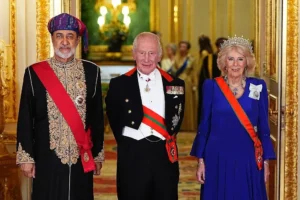
Royal jewellery is more than a symbol of luxury and elegance. Behind every extraordinary piece lies a fascinating story of history, craftsmanship, cultural connections and royal traditions. One such remarkable creation is the Queen Victoria Tiara, a historic royal jewel gifted to the British monarch by the ruler of Muscat, Oman, in 1838.
Known as the Persian Tiara, this extraordinary piece features colourful gemstones, intricate gold detailing and beautiful enamelwork. It represents a fascinating connection between Oman, Persia and the British Royal Family.
Nearly 188 years after it was presented to Queen Victoria, this historic jewel attracted renewed attention during the Sultan of Oman’s state visit to Windsor Castle in October 2026.
Let’s explore who gifted this remarkable tiara, what makes its design special and the fascinating history behind this royal masterpiece.
1. Who Gifted the Queen Victoria Tiara?
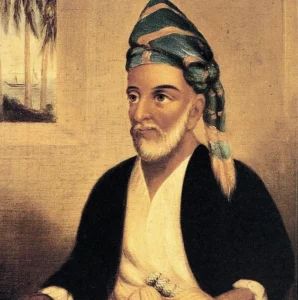
The Queen Victoria Tiara was gifted to Queen Victoria by Sayyid Sa’id bin Sultan, the ruler of Muscat (Oman), in 1838.
On 30 August 1838, an envoy of Sayyid Sa’id presented several gifts to Queen Victoria, who had been crowned in June of that year. Among these gifts was an extraordinary piece of jewellery that Queen Victoria described in her journal as a “tiara of Persian stones”.
The gift represented the diplomatic relationship and cultural connections between Oman and Britain during the nineteenth century.
Today, the tiara is preserved as part of the British Royal Collection and remains an important example of historical royal jewellery.
2. What Makes the Queen Victoria Tiara Special?
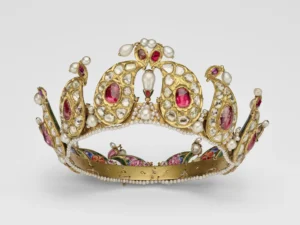
The most fascinating aspect of the Queen Victoria Tiara is its combination of precious materials, traditional craftsmanship and hidden artistic details.
The tiara features gold palm-leaf-shaped elements decorated with colourful gemstones and intricate enamelwork.
Some of its remarkable design features include:
- Gemstones: Its decorative elements showcase colourful precious stones, including rubies and other gemstones.
- Gold craftsmanship: The gold structure features distinctive palm-leaf-inspired designs.
- Persian Enamelwork: Intricate enamel decorations reveal the influence of Persian artistic traditions.
- Hidden Miniature Paintings: The reverse of its teardrop-shaped panels contains colourful miniature artwork.
- Pearl Details: Pearl elements contribute to the tiara’s distinctive appearance.
These details make it an extraordinary example of historical jewellery design.
3. The Hidden Artwork Behind the Queen Victoria Tiara
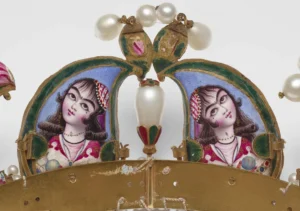
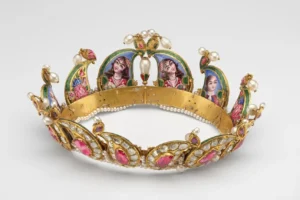
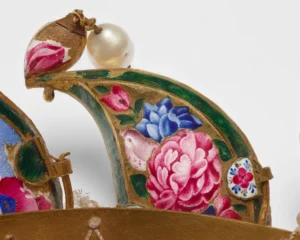
One of the most unusual features of the Queen Victoria Tiara is the artwork hidden on the reverse of its decorative panels.
Each teardrop-shaped panel features colourful enamel scenes. These include:
- A young female figure wearing Qajar-style clothing.
- A young male figure dressed in Regency-era attire.
- A beautiful rose-and-nightingale motif inspired by Persian artistic traditions.
These miniature paintings demonstrate the creativity and attention to detail involved in traditional jewellery making.
The hidden artwork also makes the tiara different from ordinary gemstone jewellery, as its beauty can be appreciated from both the front and the reverse.
4. Where Was the Queen Victoria Tiara Made?
The Royal Collection Trust identifies the tiara as Persian and suggests that it was probably commissioned in Qajar Persia, modern-day Iran.
During the nineteenth century, Muscat maintained strong trading connections with Persia. These relationships encouraged the exchange of artistic ideas, luxury materials and craftsmanship.
The tiara’s colourful enamelwork, miniature paintings and decorative elements reflect this Persian artistic influence.
Although its exact place of manufacture has not been definitively established, its design provides valuable insight into the jewellery traditions of that period.
5. Prince Albert’s Role in Redesigning the Tiara
The history of the Queen Victoria Tiara continued after it entered the British Royal Collection.
Prince Albert, the husband of Queen Victoria, later designed a new setting for the historic jewel.
His design was executed in London by the jewellers Kitching & Abud.
This transformation brought together Persian-inspired jewellery craftsmanship and British royal design preferences, adding another chapter to the tiara’s history.
6. Why Did the Queen Victoria Tiara Make Headlines in 2026?
After nearly two centuries, the historic tiara attracted renewed attention during the state visit of Sultan Haitham bin Tarik of Oman to the United Kingdom in October 2026.
During his visit to Windsor Castle from 20 to 22 October 2026, Sultan Haitham was welcomed by King Charles III and Queen Camilla.
As part of the visit, a special exhibition of objects from the Royal Collection connected with Oman was presented.
The historic tiara, originally gifted by Sayyid Sa’id bin Sultan to Queen Victoria in 1838, was among the remarkable pieces highlighted during the visit.
This created a meaningful historical connection between the present-day Sultan of Oman and a royal gift presented nearly 188 years earlier.
7. What Can Jewellery Designers Learn from the Queen Victoria Tiara?
The Queen Victoria Tiara offers valuable inspiration for jewellery designers, students and gemstone enthusiasts.
Its design highlights several important aspects of traditional jewellery craftsmanship:
- Gemstone Combinations: The use of different gemstones creates attractive colour contrasts.
- Traditional Techniques: Persian enamelwork demonstrates the beauty of detailed craftsmanship.
- Nature-Inspired Designs: Gold palm-leaf elements show how natural forms can inspire jewellery.
- Miniature Artwork: Hidden paintings demonstrate how jewellery can become a form of artistic expression.
- Historical Influence: The tiara reflects how different cultures and design traditions can come together in one jewellery piece.
For aspiring jewellery designers, studying such historical masterpieces can provide inspiration for creating designs that combine traditional artistry with modern creativity.
Conclusion
The Queen Victoria Tiara is much more than an antique royal accessory. It is a remarkable piece of jewellery that connects the history of Oman, Persian craftsmanship and the British monarchy.
From being gifted by Sayyid Sa’id bin Sultan in 1838 to attracting attention during Sultan Haitham bin Tarik’s visit to Windsor Castle in 2026, the tiara continues to preserve a fascinating story across generations.
Its precious gemstones, gold detailing and hidden enamel paintings demonstrate that exceptional jewellery is not defined by materials alone. Its history, artistic value and craftsmanship are equally important.
For jewellery enthusiasts and aspiring designers, this historic Persian masterpiece remains an inspiring example of how jewellery can become a timeless expression of art, culture and heritage.
FAQs
1. Who gifted the Queen Victoria Tiara?
The tiara was gifted to Queen Victoria in 1838 by Sayyid Sa’id bin Sultan, the ruler of Muscat (Oman), following her coronation.
2. What is special about the Queen Victoria Tiara?
The tiara is special for its intricate gold design, colourful gemstones, Persian-inspired enamelwork and hidden miniature paintings on the reverse of its decorative panels.
3. Where was the Queen Victoria Tiara made?
The Royal Collection Trust suggests that the tiara was probably commissioned in Qajar Persia, modern-day Iran, although its exact place of manufacture is not definitively confirmed.
4. What gemstones are used in the Queen Victoria Tiara?
The tiara features colourful precious stones, including rubies, set within an intricate gold structure. Its design also includes pearl details and enamel decorations.
5. Who redesigned the Queen Victoria Tiara?
Prince Albert designed a new setting for the tiara, which was executed by London jewellers Kitching & Abud.
6. Why did the Queen Victoria Tiara make headlines in 2026?
The historic tiara attracted attention during Sultan Haitham bin Tarik’s state visit to Windsor Castle in October 2026, when it was featured in an exhibition of Royal Collection objects connected with Oman.
7. How old is the Queen Victoria Tiara?
The tiara was gifted in 1838, making it approximately 188 years old in 2026.