
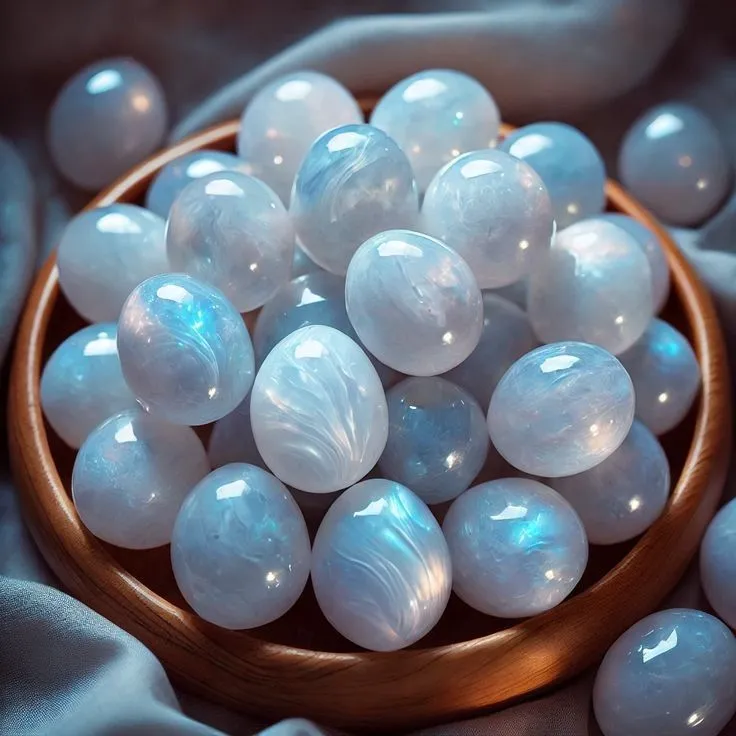
For centuries, the Moonstone Gemstone has fascinated people with its soft, glowing appearance and mysterious beauty. Its shimmering light, known as adularescence, creates an enchanting effect that resembles moonlight floating across the surface of the stone. This natural optical phenomenon makes moonstone one of the most captivating gemstones in the world.
Often called the “Stone of New Beginnings,” moonstone has been associated with hope, intuition, and fresh starts across many cultures. Beyond its symbolism, it is also highly valued in the jewellery industry for its unique beauty and timeless elegance.
Whether set in rings, pendants, earrings, or bracelets, moonstone continues to be a favourite among jewellery designers and gemstone collectors. For students of gemmology and jewellery design, it also offers an excellent example of how nature creates extraordinary optical effects.
What is a Moonstone Gemstone?
The Moonstone Gemstone is a variety of the feldspar mineral group. It is best known for its captivating glow, called adularescence, which occurs when light scatters between microscopic layers inside the stone.
Unlike diamonds or sapphires, moonstone is appreciated for its soft, ethereal appearance rather than brilliant sparkle. It typically ranks 6 to 6.5 on the Mohs Hardness Scale, making it suitable for jewellery when handled with proper care.
Moonstones are available in several body colours, including:
- Colourless
- White
- Peach
- Grey
- Green
- Brown
- Rainbow Moonstone (a popular trade name for a related feldspar variety)
The most valuable moonstones display a vivid blue sheen over a transparent or nearly colourless body.
The History of Moonstone
Moonstone has been admired for thousands of years. Ancient civilizations believed it was formed from solidified moonlight, and many cultures connected it with lunar deities and celestial power.
In ancient Rome, moonstone was linked to the moon goddess and was believed to bring harmony and protection. In India, it has long been regarded as a sacred gemstone and is often gifted during weddings and celebrations.
During the Art Nouveau period in the late 19th and early 20th centuries, moonstone became especially popular. Renowned jewellers used it extensively in artistic jewellery because of its mystical appearance and elegant glow.
Today, moonstone remains one of the most cherished gemstones for both classic and contemporary jewellery designs.
How Moonstone is Formed
Moonstone forms deep within the Earth’s crust through the slow cooling of molten rock. During this process, two feldspar minerals grow together in alternating microscopic layers.
As light enters the gemstone, it scatters between these thin layers, creating the famous floating glow known as adularescence.
The quality of this optical effect depends on the thickness and regularity of these internal layers. Stones with a bright, centred blue sheen are considered the most valuable.
Where is Moonstone Found?
Moonstone is mined in several countries around the world, each producing stones with unique characteristics.
Sri Lanka
Sri Lanka is famous for producing some of the world’s finest moonstones, particularly those with a transparent body and vivid blue adularescence.
India
India is one of the largest producers of moonstone and is known for stones displaying white, peach, grey, and rainbow effects.
Madagascar
Madagascar produces high-quality moonstones with excellent transparency and attractive sheen.
Myanmar
Myanmar is another important source of fine moonstones used in luxury jewellery.
Tanzania
Tanzania contributes beautiful moonstones with distinctive colours and patterns.
Other sources include Australia, Brazil, Norway, and the United States.
Colours of Moonstone
Although white moonstone is the most familiar variety, moonstone appears in several attractive colours.
White Moonstone
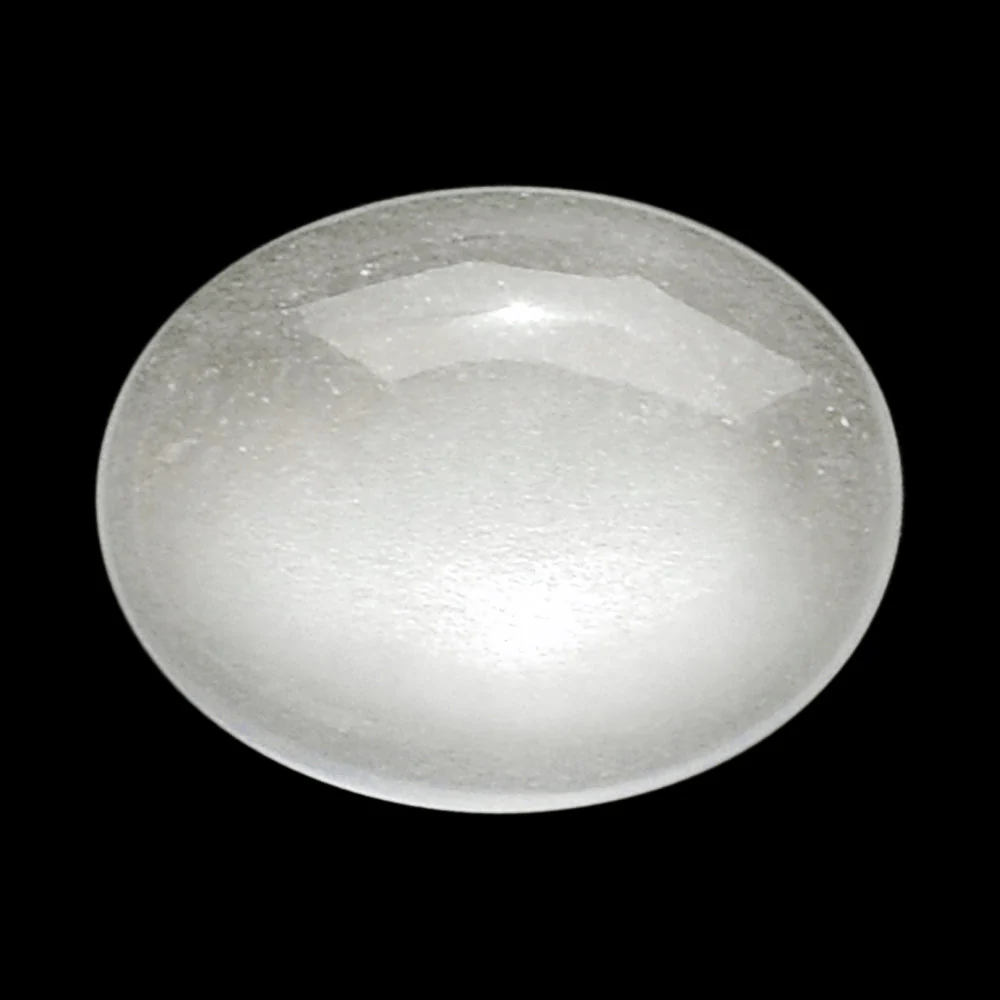
The classic variety, valued for its soft white appearance and blue sheen.
Peach Moonstone
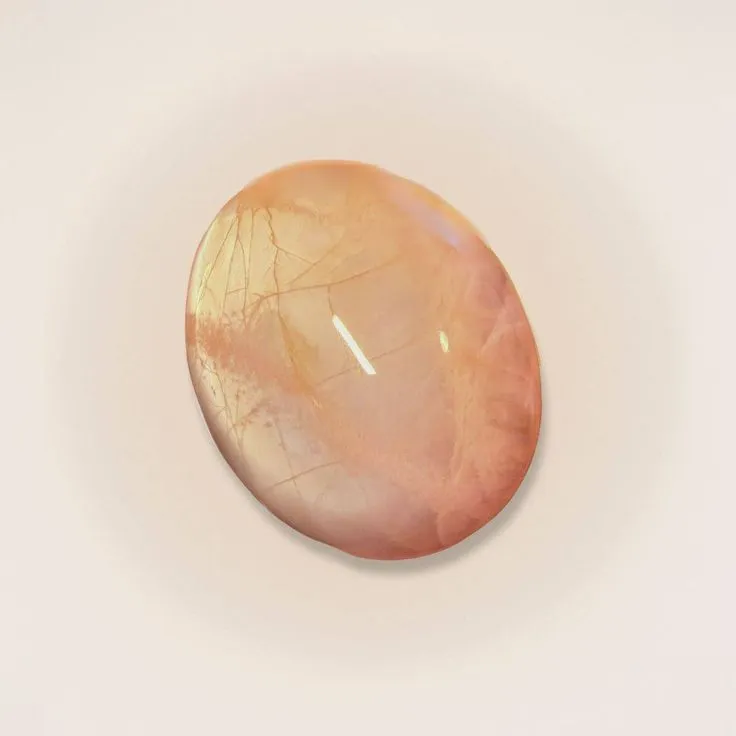
A warm, delicate gemstone popular in modern jewellery.
Grey Moonstone
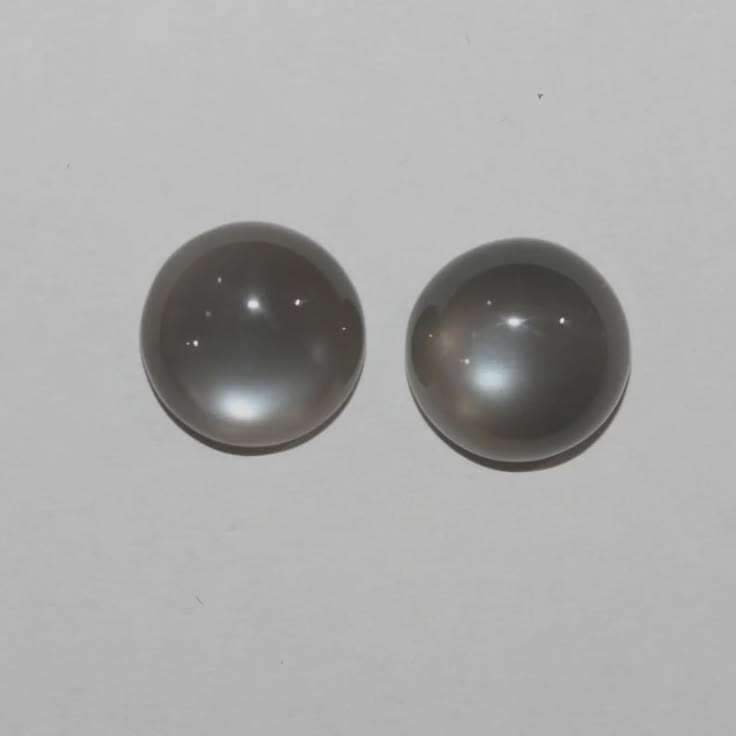
Features a smoky appearance with a subtle floating glow.
Green Moonstone
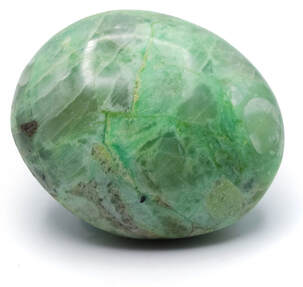
Less common and admired for its unique natural colour.
Rainbow Moonstone
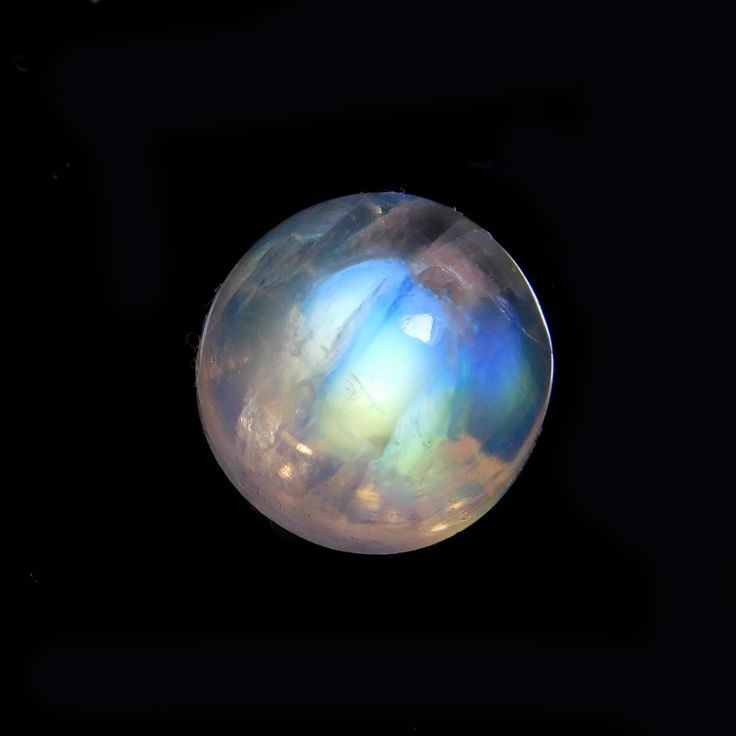
Displays flashes of blue and multiple colours, making it especially popular in designer jewellery.
Moonstone in Jewellery
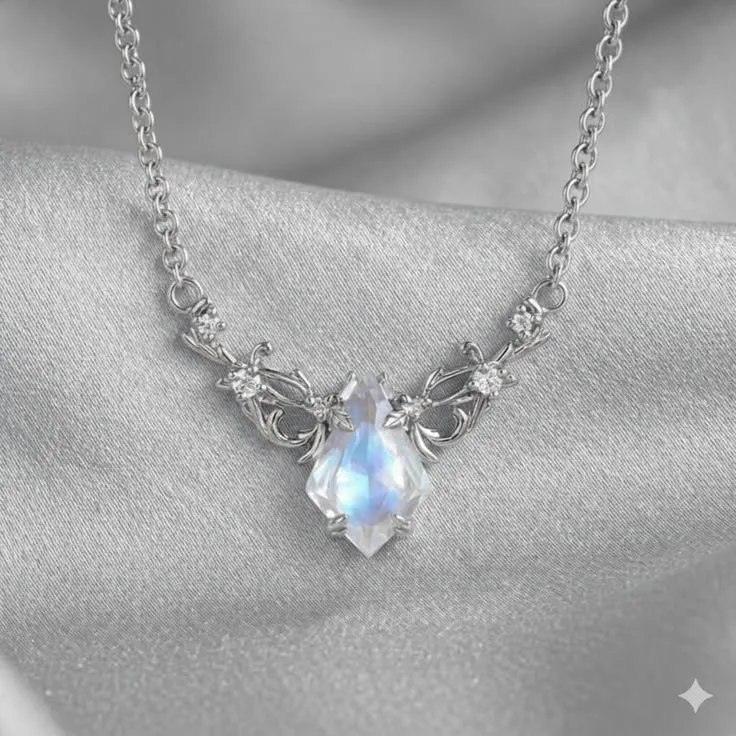
Moonstone’s elegant appearance makes it a favourite choice for many types of jewellery.
Popular jewellery includes:
- Engagement rings
- Pendants
- Earrings
- Bracelets
- Necklaces
- Designer jewellery
- Artisan jewellery
Jewellery designers often pair moonstone with sterling silver, white gold, yellow gold, and rose gold to enhance its natural beauty.
What Determines the Quality of Moonstone?
Several factors influence the value of a Moonstone Gemstone.
Adularescence
The brighter and more centred the glow, the higher the value.
Transparency
Transparent or semi-transparent moonstones are generally more desirable.
Colour
Colourless stones with vivid blue sheen are especially prized.
Cut
Cabochon cuts are commonly used because they best display the gemstone’s optical effect.
Size
Larger moonstones with strong adularescence are relatively rare.
Natural vs Imitation Moonstone
Because moonstone is popular, imitation stones are also available in the market.
Natural moonstones display a soft, floating glow that changes as the stone moves. Artificial imitations often have a uniform shine without the depth seen in natural gemstones.
Buying certified gemstones from trusted jewellers helps ensure authenticity and quality.
How to Care for Moonstone Jewellery
Moonstone is softer than many precious gemstones, so proper care is important.
- Clean using lukewarm water, mild soap, and a soft cloth.
- Avoid harsh chemicals and ultrasonic cleaners.
- Store separately to prevent scratches.
- Remove moonstone jewellery before heavy physical activities.
- Have valuable pieces checked periodically by a professional jeweller.
Why Study Gemmology at the Institute of Gems and Jewellery (IGJ)?
Understanding gemstones like moonstone requires both scientific knowledge and practical experience.
At the Institute of Gems and Jewellery (IGJ), students gain hands-on training in:
- Gemstone identification
- Diamond grading
- Jewellery design
- CAD jewellery design
- Jewellery manufacturing
- Quality assessment
- Jewellery management
IGJ’s industry-focused programmes help students develop the practical skills needed for successful careers in the global gems and jewellery industry.
Conclusion
The Moonstone Gemstone continues to captivate jewellery lovers with its enchanting glow, fascinating history, and timeless elegance. Its unique optical phenomenon, wide range of colours, and cultural significance have made it one of the world’s most admired gemstones.
Whether you are fascinated by gemmology, passionate about jewellery design, or simply appreciate nature’s beauty, moonstone offers an excellent example of how science and artistry come together in the world of gemstones.
For aspiring jewellery professionals, studying gemstones like moonstone provides valuable knowledge that can lead to exciting opportunities in gemmology, jewellery design, manufacturing, and retail. With the right education and practical training, a passion for gemstones can become a rewarding career.
FAQs
1. What is a Moonstone Gemstone?
Moonstone is a feldspar mineral known for its glowing optical effect called adularescence.
2. Why is Moonstone called the Stone of New Beginnings?
Many cultures associate moonstone with fresh starts, intuition, hope, and emotional balance, giving it the nickname “Stone of New Beginnings.”
3. Where are the best Moonstones found?
Some of the finest moonstones are found in Sri Lanka, India, Madagascar, Myanmar, and Tanzania.
4. Is Moonstone suitable for everyday jewellery?
Yes, but because it has a hardness of 6–6.5 on the Mohs scale, it should be worn and stored carefully to avoid scratches.
5. Can I learn gemstone identification at IGJ?
Yes. IGJ offers practical courses in gemmology, jewellery design, jewellery manufacturing, CAD jewellery design, and jewellery management, helping students build successful careers in the gems and jewellery industry.