
India is globally recognized as a cradle of gem and jewellery heritage. For thousands of years, jewellery in India has represented far more than adornment—it reflects history, culture, spirituality, craftsmanship, and economic wisdom. Understanding this legacy is essential for students and professionals aspiring to build a meaningful career in the gems and jewellery sector.
At our institute, we believe that mastering jewellery design, gemmology, and manufacturing begins with understanding India’s cultural and historical foundations.
India’s Ancient Jewellery Legacy
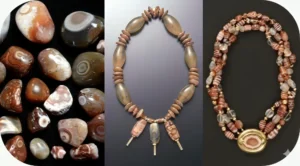
Jewellery-making in India dates back over 5,000 years, with archaeological discoveries from the Indus Valley Civilization revealing advanced craftsmanship using gold, silver, beads, shells, and semi-precious stones (Marshall, 1931).
These early ornaments demonstrate:
- Technical expertise in metalworking and stone cutting
- Trade connections with West Asia
- The use of jewellery as a marker of identity and status
For students of gemmology and jewellery design, this period highlights India’s long-standing leadership in the global jewellery trade.
Royal Patronage and Craftsmanship Excellence
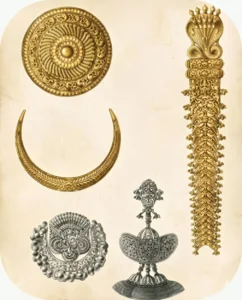
During the Maurya and Gupta periods, jewellery evolved into a refined art form. Sculptures and temple carvings show intricate ornaments worn by royalty and deities, emphasizing symmetry, symbolism, and gemstone placement (Williams, 1982).
The Mughal era further elevated Indian jewellery craftsmanship by introducing:
- Kundan and Polki diamond settings
- Meenakari (enamelling) techniques
- Precision gemstone cutting
These techniques are still taught and practiced in modern jewellery manufacturing and design programs (Lal, 2006).
Cultural Importance of Jewellery in Indian Society
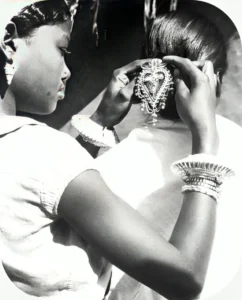
Jewellery and Life-Cycle Traditions
Jewellery plays a vital role in Indian social customs:
- Birth ceremonies involve protective gemstone ornaments
- Marriage jewellery symbolizes prosperity, commitment, and cultural identity
- Festive jewellery reflects auspiciousness and tradition
For jewellery professionals, understanding these customs is crucial for designing culturally relevant collections.
Spiritual and Astrological Significance of Gemstones
Indian gem traditions are closely linked to Vedic astrology.
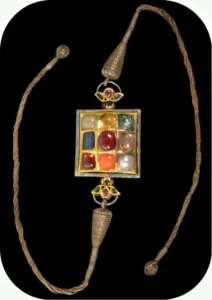
Navaratna – The Nine Sacred Gems
Each gemstone in the Navaratna system is associated with a celestial body and believed to influence physical, emotional, and spiritual well-being (Rao, 1993). This belief continues to drive gemstone demand and consumer preferences in India.
Gemmology education in India therefore integrates scientific evaluation with traditional beliefs, creating well-rounded professionals.
Jewellery as Wealth, Investment, and Security
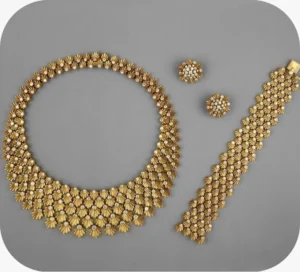
Historically and even today, jewellery serves as:
- A form of portable wealth
- A financial safety net
- An intergenerational asset
Gold jewellery, in particular, plays a significant role in India’s economy and household savings (Basu, 2015). Understanding this economic dimension is vital for students pursuing careers in jewellery business and management.
Regional Jewellery Traditions and Design Identity
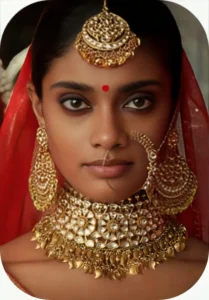
India’s jewellery diversity reflects its regional richness:
- Temple Jewellery (South India): Inspired by temple architecture and classical dance
- Kundan & Polki (Rajasthan): Royal gemstone traditions
- Filigree Work (Odisha): Fine silver craftsmanship
- Tribal Jewellery: Cultural symbolism and natural materials
Relevance for Modern Jewellery Education
Today’s jewellery industry blends tradition with innovation. Modern professionals must understand:
- Historical design principles
- Cultural symbolism
- Ethical sourcing and sustainability
- Global market trends
At a jewellery institute, this knowledge forms the foundation for courses in:
- Jewellery design
- Gemmology
- Jewellery manufacturing
- Diamond grading and appraisal
A strong historical perspective enables students to design responsibly, innovate creatively, and compete globally.