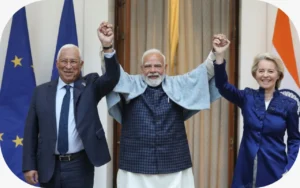
The India–European Union Free Trade Agreement (FTA) marks a historic milestone for India’s gems and jewellery sector. With zero-duty access to the EU market, the agreement is expected to double bilateral gems & jewellery trade to USD 10 billion (approximately ₹91,000 crore) in the coming years, opening powerful global opportunities for Indian manufacturers, designers, and professionals.
For students and aspiring jewellery professionals, this development signals a new era of global relevance and growth.
Zero Duty Access: Unlocking Europe’s Luxury Markets
The EU is one of the world’s most important destinations for high-value jewellery. Under the FTA, Indian exports of:
- Gold jewellery (plain and studded)
- Diamond and gemstone jewellery
- Silver and fashion jewellery
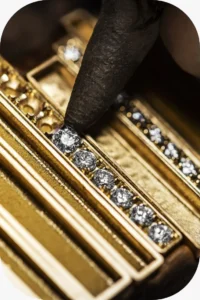
will enjoy duty-free entry, improving price competitiveness and strengthening India’s position in premium European markets such as France, Germany, Italy, Belgium, and the Netherlands.
According to the Gem & Jewellery Export Promotion Council (GJEPC), this tariff elimination removes long-standing trade barriers that limited India’s export potential in Europe.
“Zero-duty access under the India–EU FTA is a transformational opportunity for the Indian gems and jewellery industry. It will significantly enhance exports, improve competitiveness, and generate employment across the value chain,” stated GJEPC leadership.
Boost for Indian Jewellery Manufacturing & Design
 India’s major jewellery hubs—Surat, Mumbai, Jaipur, and Kolkata—are expected to benefit from increased export demand. The agreement is likely to:
- Encourage higher production volumes
- Drive innovation in design aligned with European preferences
- Support MSMEs, artisans, and export-oriented units
“The FTA will enable Indian manufacturers to scale up, innovate, and build long-term partnerships with European buyers,” GJEPC noted, emphasizing the agreement’s role in strengthening India’s global jewellery footprint.
Why This Matters for Jewellery Education 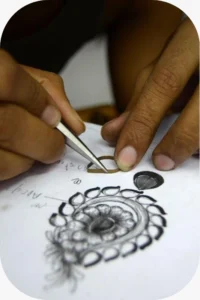
As the industry becomes more export-driven and globally integrated, the demand for skilled professionals with knowledge of:
- International trade practices
- Gemmology and quality standards
- Jewellery design for global markets
- Ethical sourcing and compliance is set to rise sharply.
For jewellery institutes, this moment highlights the importance of preparing students not just for domestic markets, but for international careers in design, manufacturing, grading, merchandising, and exports.
Shaping the Future of the Industry

Beyond trade growth, the India–EU FTA is expected to encourage:
- Higher quality benchmarks
- Sustainability and responsible sourcing
- Global collaborations in design and innovation
As India strengthens its presence in Europe, the gems and jewellery sector moves closer to its long-term vision of becoming a global hub for craftsmanship, design excellence, and skilled talent.